Daring Leadership: From Clarity to Connection

In the ever changing world of Agile, on of the most powerful tool an Agile Coach or Scrum Master possesses isn’t a framework—it’s vulnerability. Brené Brown’s Dare to Lead provides a powerful mandate for how we can operationalize vulnerability to build the trust necessary for true organizational agility.

My key takeaway from Brown’s work is that daring leadership begins with clarity and ends in curiosity.

Be Kind: The Power of Clarity

Brown bring us down a very simple but profound truth: “Clear is kind. Unclear is unkind.” In an Agile environment, this means eliminating the ambiguity that breeds resentment and speculation. When we are clear about expectations, feedback, and roles, we act with kindness, even when the message is difficult. This clarity creates a safe foundation from which we can then be genuinely curious about others’ perspectives and challenges. Without this initial clear communication, any attempt at curiosity will feel performative or even manipulative.

Building Empathy Through Emotional Exploration

True connection and trust are the currency of high-performing Agile teams. This trust isn’t built on happy hours; it’s forged in shared emotional exploration, time and tough conversations. Brown’s work emphasizes that to build empathy, we must explore the emotions that live within our experiences. As coaches, this means moving past a simple “What happened?” to “How did that experience make you feel?”

By slowing down to acknowledge the fear, frustration, or even joy tied to a project, we build a deeper human connection. This exploration shifts the team from merely processing tasks to genuinely understanding and supporting the people performing them.

📜 The Danger of the “Story I’m Making Up”

The core danger in the absence of clarity is the human tendency to fill the void. Without clarity, people will create their own stories, their own truths. Brown calls these internal narratives the Shitty First Drafts (SFD)—the often negative, self-protecting stories we invent to make sense of uncertainty. These SFDs quickly become an organization’s unofficial, detrimental truth, leading to misaligned efforts and eroded trust.

A daring leader recognizes the patterns and behaviors that lead to the SFD phenomenon and intentionally creates a space to expose and process these stories.

Applied Daring Leadership: The SFD Retrospective

To combat the chaos of unmanaged SFDs, I came up with the SFD Retrospective as a powerful tool for coaches and Scrum Masters following a rocky period or project:

  1. Present the Situation: Clearly and neutrally define the event or project period being reviewed.
  2. Draft Your SFD: Ask each team member to individually draft their personal SFD—the story, assumptions, and emotions they privately held.
  3. Fill the Gaps: Invite team members to look for elements in others’ stories that help fill in the blind spots or gaps in their own.
  4. Collective Story: Use dot-voting to select key elements and phrases from the shared drafts to construct a more accurate, collective story of what actually happened.
  5. Capture New Awareness: Facilitate a dedicated section to record the team’s shared “Aha!” moments and new understanding.
  6. Move Forward: Collective actions are then gathered based on this shared truth, not the previous conflicting narratives.

The bottom line

This process is a deeply human way to integrate the principles of Dare to Lead. By encouraging clarity, engaging with emotion, and giving shape to the SFDs, we transform uncertainty into powerful collective action.


Key Lessons Developing Agile Coaches

My experience developing agile coaches over the past decade has been incredibly rewarding. Here, I share some of what I’ve learned along the way.

1. Balance the “Being” as much as the “Doing”: 

  • It’s not just about teaching agile practices and frameworks. Truly effective agile coaches embody the agile mindset – they are adaptable, collaborative, and focused on continuous improvement. Cultivating these qualities in individuals is just as important as technical knowledge. 

2. Coaching Mindset is a Journey, Not a Destination: 

  • Developing coaching mastery takes time and experience. It’s an ongoing process of learning, reflection, and refinement. Creating a safe space for coaches to experiment, make mistakes, and learn from their experiences is essential. 

3. Embrace Diverse Learning Styles: 

  • People learn in different ways. Some thrive on hands-on activities, others prefer theoretical discussions, and some learn best through observation and mentorship. Providing a variety of learning experiences caters to individual needs and maximizes learning potential. 

4. Cultivate Self-Mastery: 

  • Effective coaches have a deep understanding of their own strengths, weaknesses, and biases. Encouraging self-reflection and providing opportunities for feedback helps coaches identify areas for growth and develop their own unique coaching style. 

5. Build a Strong Coaching Community: 

  • Connecting coaches with each other creates a powerful support system for ongoing learning and development. Peer coaching, mentoring, and communities of practice foster collaboration, shared learning, and continuous improvement. 

6. Adapt to the Context: 

  • There’s no one-size-fits-all approach to agile coaching. Effective coaches are adept at assessing the specific needs of an organization and tailoring their approach to fit the context. 

7. Emphasize Continuous Learning: 

  • The agile landscape is constantly evolving. Instilling a love of learning and a commitment to continuous improvement in coaches ensures they stay current and adapt to new challenges. 

8. Celebrate Successes and Learn from Failures: 

  • Creating a culture of psychological safety where coaches feel comfortable taking risks, experimenting, and learning from both successes and failures is crucial for growth. 

9. Measure and Communicate Impact: 

  • Demonstrating the value of agile coaching is essential for building credibility and securing ongoing support. Tracking progress, gathering data, and communicating success stories helps showcase the impact of coaching on individuals, teams, and the organization. 

10. Lead by Example: 

  • The most effective way to develop agile coaches is to embody the values and principles of agile in your own coaching approach. Be the change you want to see in others. 

By embracing these lessons, I strive to create impactful learning experiences that empower individuals to become skilled, confident, and impactful agile coaches. 

Overcoming Challenges through the Agile Coaches Development Program

Developing agile coaches and facilitating their learning journey definitely comes with its own set of challenges. Gathering feedback and adjusting my approach have been essential to overcome these challenges, allowing me to focus on the value I want to deliver through my programs. 

Here are some of the challenges that have helped me grow as a mentor.  

1. Mindset Shifts: 

  • Letting go of control: Many aspiring coaches struggle with transitioning from a directive approach to a facilitative one. They may feel the need to provide all the answers or “fix” problems for teams. 
  • Embracing uncertainty: Agile coaching requires comfort with ambiguity and change. Some individuals find it difficult to trust the process and allow teams to self-organize and learn from their own experiences. 

My approach: 

  • Self-reflection: I encourage coaches to reflect on their own beliefs and assumptions about leadership and teamwork. We explore the differences between traditional management and agile leadership. 
  • Coaching demonstrations: I model coaching conversations and demonstrate different coaching stances to illustrate how to guide teams without being prescriptive. 
  • Feedback and observation: Through observation exercises and feedback sessions, coaches can identify their own tendencies and practice new approaches. 

2. Developing Coaching Presence: 

  • Active listening and powerful questioning: It takes practice to truly listen without judgment and ask questions that promote deeper thinking and self-discovery. 
  • Building trust and rapport: Creating a safe space for vulnerability and open communication is essential for effective coaching. 

My approach: 

  • Role-playing and simulations: We use role-playing scenarios to practice active listening, asking powerful questions, and providing constructive feedback. 
  • Communication workshops: I incorporate workshops on non-verbal communication, emotional intelligence, and building trust. 
  • Mentoring and peer coaching: Pairing coaches with experienced mentors or facilitating peer coaching sessions provides opportunities for observation and feedback on their coaching presence. 

3. Applying Agile Principles in Different Contexts: 

  • Adapting to organizational culture: Every organization is unique, and agile coaches need to be able to tailor their approach to fit the specific context. 
  • Addressing resistance to change: Agile transformations often encounter resistance. Coaches need to be skilled in navigating organizational dynamics and facilitating change management. 

My approach: 

  • Case studies and real-world examples: We analyze case studies of agile transformations in different organizations to understand the challenges and successes. 
  • Guest speakers and industry experts: I invite experienced agile coaches and leaders to share their insights and experiences. 
  • Action learning projects: Coaches work on real-world projects within their organizations, applying their learning and receiving coaching support. 

4. Continuous Learning and Development: 

  • Staying current with agile trends: The agile landscape is constantly evolving. Coaches need to be committed to continuous learning and development. 
  • Building a coaching network: Connecting with other coaches provides opportunities for sharing knowledge, best practices, and support. 

My approach: 

  • Recommended reading lists and resources: I provide curated lists of books, articles, and online resources to support continued learning. 
  • Community of Practice: I encourage coaches to join agile communities and participate in conferences and workshops. 
  • Peer coaching and mentoring: Ongoing peer coaching and mentoring relationships can provide support and accountability for continuous development. 

By acknowledging these challenges and providing targeted support, I aim to create a learning environment where aspiring agile coaches can develop the skills and confidence they need to make a real impact. 

Agile Coaching Program Development

As an agile coach, I’ve had the opportunity to work with a diverse range of companies – from startups to Fortune 500s, primarily in the USA and Latin America. This has exposed me to a variety of organizational cultures and agile maturity levels, which has been invaluable in developing my coaching skills and approaches. 

In this first part of a 3 post series, I share the areas I focus to develope and deliver an Agile Coaching Program. Then in part 2 I look into the challenges I have managed while delivering the program. And, in the final part, I share the key lessons I’ve learned through this journey.

Program Focus Areas

By being part of the team that developed the Agile Coaching Growth Wheel, I’ve been refining and delivering a coaching programs based on 4 key areas.

1. Foundational Understanding: 

  • Agile Principles and Frameworks: It’s crucial to establish a strong understanding of agile values, principles, and frameworks like Scrum, Kanban, and XP. This includes not just theoretical knowledge but also practical application through simulations, case studies, and real-world examples. 
  • Stances: I emphasize the importance of different stances – coaching, mentoring, teaching, facilitating, consulting and leading – and how to apply them effectively in various situations. This involves self-awareness, active listening, and powerful questioning techniques. 

2. Competency Development: 

  • Observation and Feedback: I incorporate a lot of practice with observation and feedback. Participants work in teams, observe each other in coaching scenarios, and provide constructive feedback. This helps them hone their skills in identifying areas for improvement and providing effective guidance. 
  • Conflict Resolution and Facilitation: Agile coaches often need to mediate conflicts and facilitate difficult conversations. I guide participants through conflict resolution models and facilitate workshops on effective communication and negotiation techniques. 
  • Metrics and Measurement: Understanding how to measure the value (or the impact) of an Agile transformations is critical. I introduce participants to various agile metrics, how to track them, and how to use data to drive continuous improvement. 

3. Self Mastery: 

  • Emotional Intelligence: A significant part of Agile Coaching is about connecting with people and understanding their emotions. I integrate activities and discussions around emotional intelligence, balance, and personal transformation. 
  • Growth Mindset: Fostering a growth mindset is essential for both the coach and the coachees. I encourage continuous learning, experimentation, and embracing challenges as opportunities for growth. 

4. Domain Knowledge: 

  • Knowing the Team: A key aspect is recognizing each member’s strengths and weaknesses, observing their communication patterns and how they navigate conflict, and understanding the team’s shared goals and what motivates them to achieve those goals. 
  • Knowing the Business: Agile coaches should possess a solid understanding of the business environment their team operates within. This includes staying informed about industry trends and the competitive landscape, understanding the flow of value within the organization and how the team contributes to it, and aligning the team’s efforts with the overarching business goals and objectives. Knowing the Organization: Navigating the complexities of an organization requires understanding its inner workings. It’s crucial to be aware of the organizational structure, the dominant culture and its values, the leadership styles prevalent in the organization, and the different methods used to approach organizational change management. 

Effective Approaches and Methodologies: 

  • Experiential Learning: I prioritize hands-on activities, simulations, and real-world case studies over lectures. This allows participants to apply their learning in a safe environment and receive immediate feedback. 
  • Mentoring and Peer Coaching: Pairing participants with experienced mentors or facilitating peer coaching sessions provides ongoing support and accelerates learning. 
  • Personalized Feedback and Action Plans: I provide individualized feedback to each participant, focusing on their strengths and areas for development. We work together to create personalized action plans to guide their continued growth. 
  • Community of Practice: Creating a community of practice where participants can connect, share experiences, and support each other after the program is crucial for long-term development. 

Cultural Considerations: 

Working across different cultures, especially in the US and Latin America, has taught me the importance of adapting my teaching style and approach. I’m mindful of communication styles, power dynamics, and decision-making processes, ensuring I create a safe and inclusive learning environment for everyone. 

Ultimately, my goal is to empower individuals to become amazing agile coaches who can inspire and guide teams and organizations on their agile journey. I believe in creating a learning experience that is engaging, challenging, and supportive, enabling participants to develop the skills and competencies they need to succeed.

Unlocking Success with Radical Candor

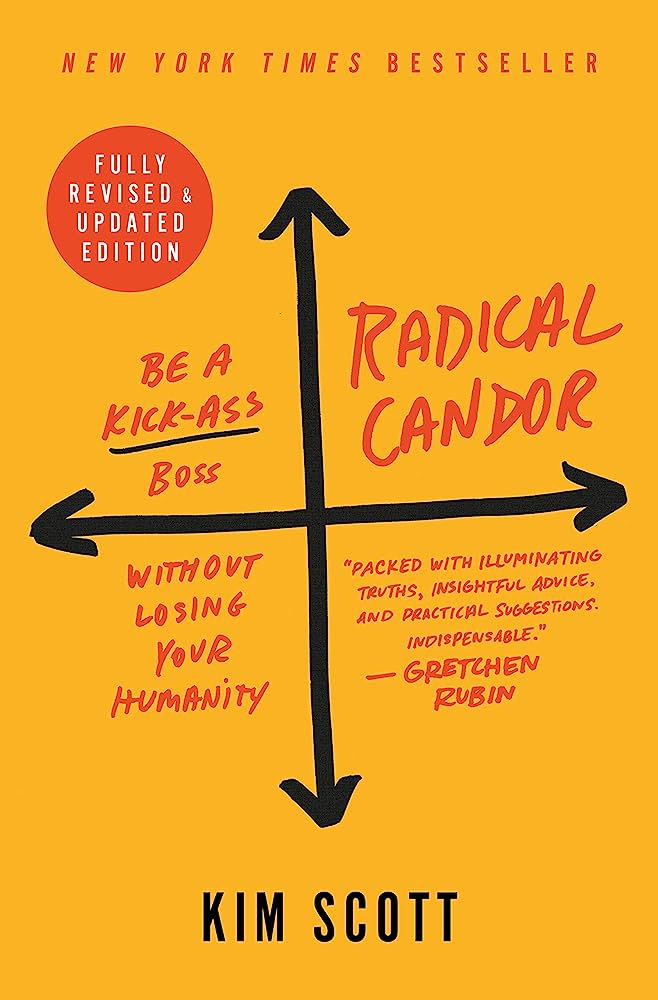
When I first picked up “Radical Candor” by Kim Scott, I was immediately drawn to its premise of achieving effective leadership through a combination of care and directness. The idea of the Get Stuff Done (GSD) Wheel particularly intrigued me. Little did I know, this tool would become a game-changer in my coaching practice. 

The book divides feedback into four quadrants: Care Personally/Challenge Directly (the ideal zone called Radical Candor, think “tough love”), Ruinous Empathy (sugarcoating problems), Obnoxious Aggression (pretty much just being a jerk), and Manipulative Insincerity (politics over progress). 

One of my clients, a director at a prominent organization, was struggling with team alignment and project delays. During our initial meetings, I noticed a recurring theme: despite the director’s best intentions, his feedback often missed the mark, either coming off as too harsh or too vague. Inspired by Scott’s approach, I decided to introduce the GSD Wheel to address these issues. 

The GSD Wheel emphasizes clear guidance, prioritization, and follow-through—perfect for our needs. I walked the director through its stages: Listen, Clarify, Debate, Decide, Persuade, Execute, and Learn. We started by focusing on the “Listen” phase, encouraging the director to genuinely understand his team’s perspectives without immediate judgment. 

The impact was immediate and profound. For the first time, the director began to see where communication breakdowns were occurring. By actively listening, he could clarify misunderstandings and facilitate more meaningful debates. Decisions were made with greater consensus, and the team felt more invested in the outcomes. 

One memorable instance was during a critical project review meeting. Using the GSD Wheel, the director guided the team through a structured debate, leading to a well-informed decision. The result? A noticeable boost in morale and efficiency. Projects started moving smoothly, and the director gained a newfound confidence in his leadership style. 

Implementing the GSD Wheel not only helped this director address his challenges but also demonstrated the power of Radical Candor. It reinforced the importance of balancing empathy with clarity, ultimately fostering a more cohesive and productive team environment. This experience was a testament to how Scott’s principles can transform leadership and drive real, positive change. 

The Bottom Line

Listen, Clarify, Debate, Decide, Persuade, Execute, and Learn. This seven keys have helped me improve my coaching skills and create a positive impact with the people I partner in my engagements. I invite you to read the book, choose your favorite takeaway and experiment around it.

Agile Delivery Model – Culture

The Key Role of Culture in an Agile Delivery Model

Culture serves as a foundational pillar within an Agile Delivery Model, playing a crucial role in the success and sustainability of Agile practices. A positive, supportive culture fosters collaboration, innovation, and resilience, enabling teams to navigate challenges and deliver high-quality products consistently.

Building Psychological Safety

One of the most critical aspects of an Agile culture is psychological safety. Psychological safety refers to an environment where team members feel safe to take risks, express their ideas, and voice their concerns without fear of retribution or ridicule. This sense of safety is essential for fostering open communication and collaboration, which are core principles of Agile.

Kim Scott, in her book Radical Candor, emphasizes the importance of creating environments where team members can provide candid feedback and challenge each other constructively. Scott’s concept of radical candor involves caring personally while challenging directly, creating a balance that encourages honest dialogue and continuous improvement.

Spaces for Candid Feedback

Candid feedback is vital for continuous improvement and innovation in Agile teams. When team members feel comfortable providing and receiving feedback, they can identify areas for improvement, celebrate successes, and learn from failures. Creating structured opportunities for feedback, such as regular retrospectives, fosters a culture of transparency and accountability.

Scott’s Radical Candor provides valuable insights into how to cultivate an environment where candid feedback is not only welcomed but encouraged. By practicing radical candor, leaders and team members can build trust and strengthen their relationships, ultimately enhancing team performance and productivity.

Embracing a Growth Mindset

An Agile culture also embraces a growth mindset, which encourages learning and adaptation. Teams with a growth mindset view challenges as opportunities for growth and are more likely to experiment with new ideas and approaches. This mindset aligns with the Agile principle of continuous improvement, driving teams to seek better ways of working and delivering value to customers.

The Bottom Line

In conclusion, culture is a foundational pillar of an Agile Delivery Model, significantly impacting its success. Building psychological safety and spaces for candid feedback are essential components of this culture. By fostering an environment where team members feel safe to express themselves and provide honest feedback, organizations can enhance collaboration, innovation, and resilience. A positive Agile culture not only improves team performance but also ensures that high-quality products are consistently delivered, meeting and exceeding customer expectations.

Agile Delivery Model – Process

The Positive Impact of Using Process as a Foundational Pillar within an Agile Delivery Model

In the fast-paced world of Agile, having a well-defined process as a foundational pillar is crucial for ensuring consistent delivery of high-quality products. A robust process provides the necessary framework for teams to operate efficiently and effectively, enhancing their ability to meet customer needs and adapt to changing requirements.

Value of Implementing Metrics that Matter

Implementing meaningful metrics is vital for teams to measure their progress and success. Metrics should reflect both the value delivered to the customer and the quality of the product. For example, metrics like customer satisfaction scores, feature usage rates, and defect density provide insights into how well the team is meeting customer expectations and maintaining high standards. By focusing on metrics that matter, teams can prioritize their efforts on activities that drive the most value and ensure they are delivering high-quality products.

Continuous Improvement

Incorporating a process of continuous improvement is imperative in an Agile delivery model. Continuous improvement fosters a culture of constant learning and adaptation, enabling teams to refine their processes, address inefficiencies, and respond to new challenges effectively. Practices such as regular retrospectives, feedback loops, and incremental changes help teams to iteratively improve their workflows and outcomes. This ongoing refinement not only enhances team performance but also leads to better products and greater customer satisfaction over time.

The Bottom Line

Including process as a foundational pillar in an Agile delivery model has a profound positive impact. A well-defined process provides structure and clarity, enabling teams to deliver consistent value and quality. Implementing metrics that matter ensures that efforts are aligned with customer needs, while continuous improvement drives ongoing enhancements in team performance and product quality. By embracing these principles, organizations can maximize the benefits of Agile and achieve sustainable success.

Agile Delivery Model – Strategy

The Importance of Strategy as a Foundational Pillar in an Agile Delivery Model

Implementing an Agile Delivery Model requires more than just following Agile practices; it necessitates a clear and well-defined strategy. Strategy serves as a foundational pillar, ensuring that all efforts are aligned with the organization’s goals and objectives. The importance of strategy in Agile cannot be overstated, as it drives cross-organizational alignment and fosters collaboration between IT and business units.

Cross-Organizational Alignment

A cohesive strategy ensures that all departments and teams within the organization are working towards the same objectives. This alignment is crucial for maximizing the efficiency and effectiveness of Agile practices. When the strategy is clearly communicated and understood across the organization, it helps in setting priorities, allocating resources, and making informed decisions. This unified direction reduces conflicts, minimizes redundant efforts, and ensures that all teams are contributing to the overall goals.

Building Collaboration Between IT and Business

One of the significant benefits of a strategic approach in Agile is the enhanced collaboration between IT and business units. Agile encourages frequent communication and collaboration, but a solid strategy ensures that these interactions are purposeful and aligned with business objectives. By involving business stakeholders in the strategic planning process, IT teams gain a better understanding of business goals and priorities. Conversely, business units gain insights into technical constraints and capabilities, leading to more realistic and achievable objectives.

Fostering a Collaborative Environment

To build a collaborative environment between IT and business, organizations can adopt practices such as joint planning sessions, cross-functional teams, and regular feedback loops. Joint planning sessions ensure that both IT and business units are on the same page regarding goals and timelines. Cross-functional teams, comprising members from both IT and business, foster a deeper understanding and better cooperation. Regular feedback loops enable continuous improvement and quick resolution of any issues that arise.

The Bottom Line

Using strategy as a foundational pillar in an Agile Delivery Model is essential for achieving cross-organizational alignment and fostering collaboration between IT and business units. A clear strategy ensures that all efforts are directed towards common goals, reduces conflicts, and maximizes efficiency. By promoting collaboration and understanding between IT and business, organizations can fully leverage the benefits of Agile, leading to more successful and sustainable outcomes.

Agile Delivery Model – Structure

The Value of Structure as a Foundational Pillar for Implementing an Agile Delivery Model

Implementing an Agile Delivery Model can be transformative for organizations, driving enhanced team performance, increased customer satisfaction, and greater adaptability. However, for Agile to yield these benefits, a strong foundation of structure is essential. This structure includes clear team organization, defined roles and responsibilities, and attention to technical excellence, all of which are crucial for Agile practices to flourish.

Team Structure

A well-defined team structure is vital for the success of Agile. It involves organizing teams in a way that maximizes collaboration, efficiency, and communication. Cross-functional teams, which include members with diverse skill sets, enable faster decision-making and problem-solving. This structure ensures that all necessary competencies are present within the team, reducing dependencies on external resources and promoting self-sufficiency.

Roles and Responsibilities

Clarity in roles and responsibilities is another critical aspect of structure. In Agile, roles such as Scrum Master, Product Owner, and Developers must be clearly defined. Each role has specific duties that contribute to the overall success of the project. For example, the Scrum Master facilitates processes and removes impediments, the Product Owner defines and prioritizes the product backlog, and the Development Team delivers the product increments. Clear delineation of these roles helps in setting expectations and ensures that everyone knows their contribution to the team’s goals.

Addressing Gaps in Technical Excellence

Identifying and addressing gaps in technical excellence is essential for maintaining the integrity and quality of Agile practices. Technical excellence involves practices such as code quality, automated testing, continuous integration, and refactoring. Gaps in these areas can lead to technical debt, reduced product quality, and slower delivery times. Regular assessments and targeted improvements in technical practices ensure that the team maintains high standards and can adapt to new challenges efficiently.

Impact of Gaps

Gaps in team structure, roles, and technical practices can significantly impact the value we deliver to our customers. For instance, unclear roles can lead to duplicated efforts or overlooked tasks, reducing team efficiency. Similarly, gaps in technical excellence can compromise product quality and increase maintenance costs. Addressing these gaps proactively is crucial for sustaining Agile practices and improving the experience that our customers have with the product.

The bottom line

In conclusion, using structure as a foundational pillar in implementing an Agile Delivery Model is crucial. It involves organizing teams effectively, defining clear roles and responsibilities, and maintaining technical excellence. By addressing potential gaps in these areas, organizations can ensure the successful and sustainable adoption of Agile practices, leading to improved outcomes and greater adaptability.

Our Delivery Model

The Four Pillars of the Agile Delivery Model: Enhancing Customer Value

In my journey as an Agile Coach, I have seen the Agile Delivery Model evolve through numerous iterations, refining the essential pillars of structure, strategy, process, and culture to help organizations enhance the value they deliver to their customers. These four pillars provide a comprehensive framework that supports the journey of any organization looking to improve customer satisfaction and product quality.

Structure

A solid team structure with clear roles and responsibilities is critical for Agile success. By organizing cross-functional teams and defining roles such as Scrum Master, Product Owner, and Development Team members, organizations can ensure efficient workflows and reduce dependencies. Addressing gaps in technical excellence, such as code quality and automated testing, further enhances team performance and product quality. This structured approach allows teams to focus on delivering valuable features to customers consistently.

Strategy

Strategy serves as the backbone of an Agile Delivery Model, aligning all efforts with organizational goals. Cross-organizational alignment ensures that everyone works towards common objectives, reducing conflicts and enhancing efficiency. Collaboration between IT and business units is fostered through joint planning sessions and cross-functional teams, ensuring that technical and business goals are in sync. A well-defined strategy helps teams prioritize initiatives that directly impact customer value, ensuring that resources are allocated effectively.

Process

A well-defined process provides the framework for consistent delivery. Implementing meaningful metrics that reflect customer value and product quality helps teams prioritize efforts effectively. Metrics such as customer satisfaction scores, feature usage rates, and defect density provide insights into how well the team is meeting customer expectations. Continuous improvement is imperative, with regular retrospectives and feedback loops driving ongoing enhancements in workflows and outcomes. This focus on process ensures that teams can deliver high-quality products that meet customer needs.

Culture

A supportive culture is the cornerstone of Agile. Building psychological safety enables team members to take risks and express ideas without fear. Radical Candor by Kim Scott emphasizes the importance of candid feedback, fostering an environment of transparency and continuous improvement. Embracing a growth mindset encourages learning and adaptation, aligning with Agile principles. A positive culture enhances collaboration and innovation, leading to better solutions for customers.

An invitation to explore further

The four pillars of the Agile Delivery Model—structure, strategy, process, and culture—provide a comprehensive framework that supports any organization’s journey towards improving the value they deliver to their customers. By focusing on these foundational elements, organizations can enhance team performance, deliver high-quality products, and achieve greater customer satisfaction.

I invite you to explore each of these pillars in more detail through a series of articles that will guide you through the intricacies of structure, strategy, process, and culture.